- Equity Mates
- Posts
- 📈 RBA lifts rates to 3.85% | Elon's second trillion-dollar company
📈 RBA lifts rates to 3.85% | Elon's second trillion-dollar company
Here's what you need to know today

Today’s News
The Big Picture
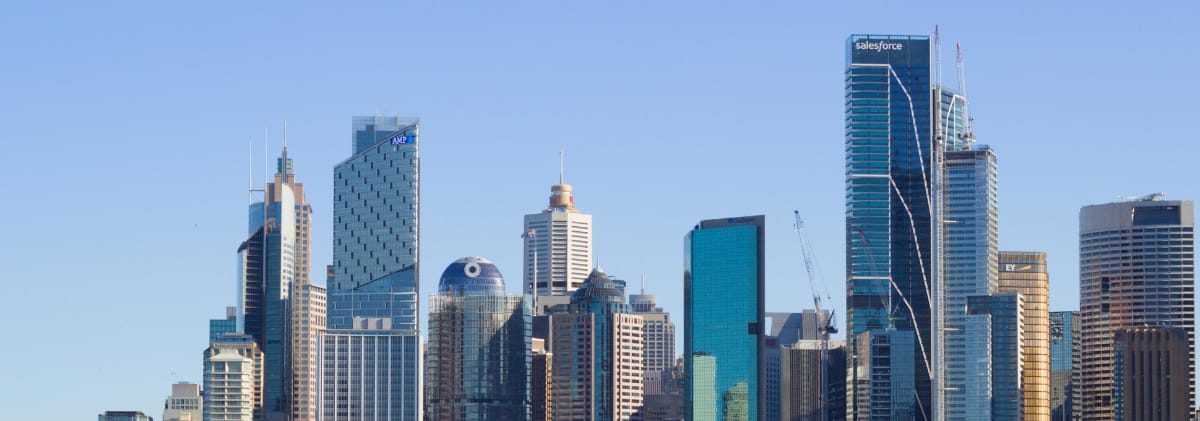
RBA lifts interest rates to 3.85%. The Reserve Bank of Australia unanimously raised rates by 25 basis points, citing stubborn inflation pressures. December inflation surprised at 3.8%, with the RBA warning inflation is “likely to remain above target for some time.” (RBA)
US and India strike trade deal. US President Donald Trump agreed to cut tariffs on Indian imports from 50% to 18%, after Indian PM Narendra Modi pledged to halt purchases of Russian oil. Trump also said India would purchase more US goods and reduce tariffs on the US to zero, claiming the deal was worth “over US$500bn” a bold claim given India imported just US$41.5bn of US goods in 2025. (FT)
Gold and silver sell-off deepens. The reversal of the metals’ record rally continued, with gold suffering its biggest one-day fall in more than 40 years before rebounding. Silver plunged more than 27% before also bouncing. Gold’s 30-day volatility surged above 44%, briefly overtaking Bitcoin’s 39%, not exactly textbook ‘safe haven asset’ behaviour. (BBC | Yahoo Finance)
US launches critical minerals stockpile to counter China. President Trump announced a US$12 billion investment in strategic rare earths, aiming to claw back leverage from China. China currently controls about 70% of global rare-earth mining and roughly 90% of processing capacity. (ABC)
Australian startups notch third-biggest funding year on record. Local startups raised $5.1bn across 390 deals, with more than $1bn flowing into AI-native companies. The milestone comes as Square Peg closed a fresh $650m fundraise. (Capital Brief | Capital Brief)
Companies in the news
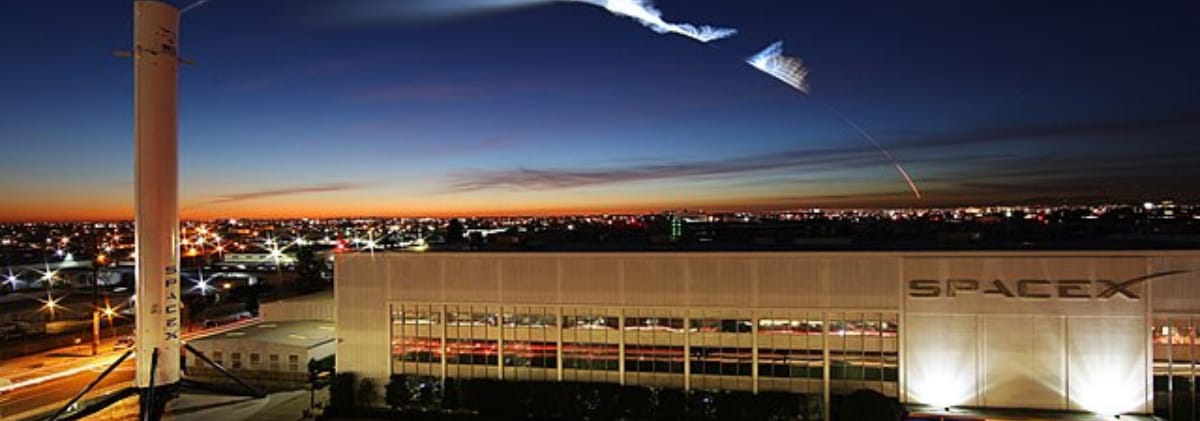
Elon’s second trillion-dollar company. SpaceX is set to acquire xAI for US$250 billion, with Musk planning to build ‘orbital data centres’ to power AI from space. Together, the $1.25 trillion company is slightly less valuable than his first trillion-dollar company, Tesla, at $1.3 trillion. (FT)
Palantir shares jump on record earnings. Shares in Palantir rose 7% in after-hours trading after the company reported annual profits more than tripled to US$1.6bn. (WSJ | Palantir)
Disney shares fall 7% on weak tourism outlook. Disney warned of “headwinds” from softer international tourism to its US theme parks, after global foreign travel to the US fell 6% last year. The update adds to uncertainty as Disney’s board prepares to decide CEO Bob Iger’s successor next week. (BBC)
Oracle raises US$25bn in bond sale to fund AI push. Oracle raised US$25bn in one of the year’s largest bond offerings, attracting a massive US$127bn order book. The demand comes despite investor concerns over the scale of Oracle’s AI spending. (FT)
Australia leads quantum charge as Diraq secures $20m. Diraq, founded out of University of New South Wales, has secured $20m in government funding to build what it hopes will be the world’s first commercially viable quantum computer. While quantum computing remains largely theoretical, success would deliver machines exponentially faster than today’s computers, with major implications for drug discovery and artificial intelligence. (AFR)
What the…?
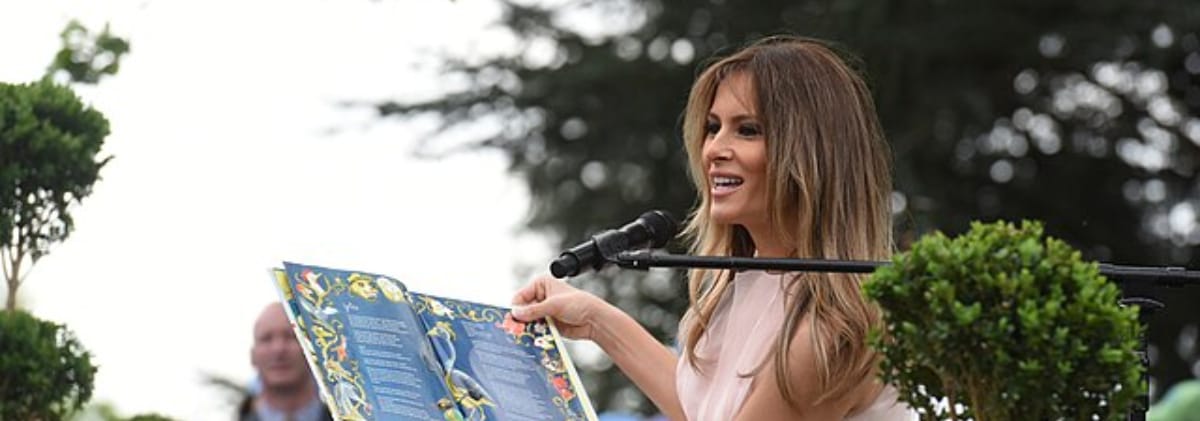
‘Melania’ becomes the highest-debuting non-music documentary in over a decade, but do people actually like it? The Amazon-produced film following Melania Trump as she prepares to re-enter the White House in 2025 pulled in US$7m on its opening weekend. That said, it reportedly cost US$40m to make, plus another US$35m to market.
Amazon says the audience skewed heavily white (75%), female (70%) and over 55 (72%). But while the box office numbers look solid, critics haven’t been as generous. The film currently sits at a brutal 1.3/10 on IMDb from 28,000 reviews, alongside a 7% score on Rotten Tomatoes. (AFR)
Today’s Insight
The VHY debate: Dividends now vs Growth first
This was taken from our recent chat with financial adviser Matt Ingram in the Equity Mates Investing episode titled ‘Ask an Adviser: Make work optional with passive income - Matt Ingram” (Spotify | Apple | YouTube)
Alec: Now Matt, I want to get your opinion on maybe a disagreement I have with a number of members of the equity mates community and it is a particular disagreement around one of the most popular ETFs in Australia and that is VHY Vanguard High Yield. We see it so often in people's portfolios, particularly when we do pimp my portfolio. It's incredibly popular and a lot of people buy it because it straddles the line of I'm still getting capital growth but I'm also enhancing my income. My view is that you focus on growth, you build the portfolio and only when you've got enough to meet your goals, you then switch to income producing assets and there are better income producing assets than VHY, but a lot of people will sort of do the process where they build a big position in VHY or something similar. How do you think about that choice between investing in ETFs that produce passive income now versus making it a two-step process?
Matt: I would almost say neither. Not so complicate things, but it's a very gradual process and I don't think in any case I would go sell the ASX 200 ETF to directly replace it with VHY. It's more about an asset allocation. You're maintaining that growth part of the portfolio. Like I said before with that ASX 200 ETF or whatever it is, but you're slowly transitioning the portfolio into something more defensive using other better income products like you touched on Ren. We'll touch on a bunch of those later, but that's more the way I see it. It's not just a sub one out for the other because it's higher yielding. It's a gradual changing of the portfolio from an asset allocation perspective -
Bryce: What's the marker though where you start that process? Like surely you have some sort of point where you're like, okay, the transition needs to start happening now.
Matt: Look, you want to tick off the big items first if you haven't paid off your home or gotten those sorts of things sorted first, done what you want with the kids and helped them out and got through all that, those are the big ticket items. Once you're past that and you have this surplus income and you're thinking about retiring and getting this passive income, that's when you're starting to think about this transition for sure. So that's probably kind of the marker. I wouldn't be doing it any earlier than that with any of my clients. But then even with that being said, it might be a case of, okay, my Google holding has just gone through the roof and I'm going to trim that down and instead of reallocating that to another growth stock, that's where I'm going to start building up this other part of the portfolio and you just do it gradually that way.
Check out our full episode with Matt wherever you listen to podcasts or on YouTube.
A message from Viola Private Wealth

Wealth isn't one-size-fits-all. Your investment strategy needs to work for your life and not just the markets.
Viola Private Wealth manages over $2.5 billion for Australians with significant wealth, crafting tailored portfolios across public and private markets. With deep expertise and a client-first approach, Viola helps you focus on what matters: growing and protecting your capital with clarity and confidence.