- Equity Mates
- Posts
- 📈 Oil prices back above $100 | Qantas lifts fares on oil price spike
📈 Oil prices back above $100 | Qantas lifts fares on oil price spike
Here's what you need to know today

Today’s News
The Big Picture

Oil prices jump back to US$100 as Iran hits oil tankers. Two oil tankers were struck in the Strait of Hormuz as authorities halted operations at all Oman oil terminals. The disruption comes after a representative from the Iranian Islamic Revolutionary Guard Corps stated it would not allow “a litre of oil” to pass through the strait. (AFR | Al Jazeera)
IEA releases record 400 million barrels of oil. The International Energy Agency has released 400 million barrels of oil from reserves across its 32 member nations. The move is aimed at easing the global surge in oil prices and is reportedly the largest ever release since the creation of the strategic reserve in 1970. (ABC)
1 in 7 Australians hit by fraud last year. Data released by the Australian Bureau of Statistics shows that 3.2 million Australians experienced fraud in the last financial year. Debit and credit card fraud has seen the biggest increase over the past decade, almost doubling, with total losses from card fraud reaching $2.2bn in the past year. (ABS)
Big four banks tip RBA rate hike. Commonwealth Bank, ANZ, NAB and Westpac have all forecast an interest rate increase at next week’s RBA meeting, predicting the cash rate could rise to 4.1%. Banks point to Middle East tensions pushing up energy prices and inflation. (AFR)
EV charging rollout stalls as costs blow out. The federal government is reconsidering plans to roll out 72 additional EV charging stations after only 45 of the originally planned 117 have been built three years into the five-year program. Remote locations have made the project far more expensive than expected. (AFR)
US probes major trading partners for unfair practices. China, the EU, India and Japan are among regions flagged by the US Trade Representative for alleged unfair trade practices, potentially leading to new tariffs. (BBC)
Companies in the news
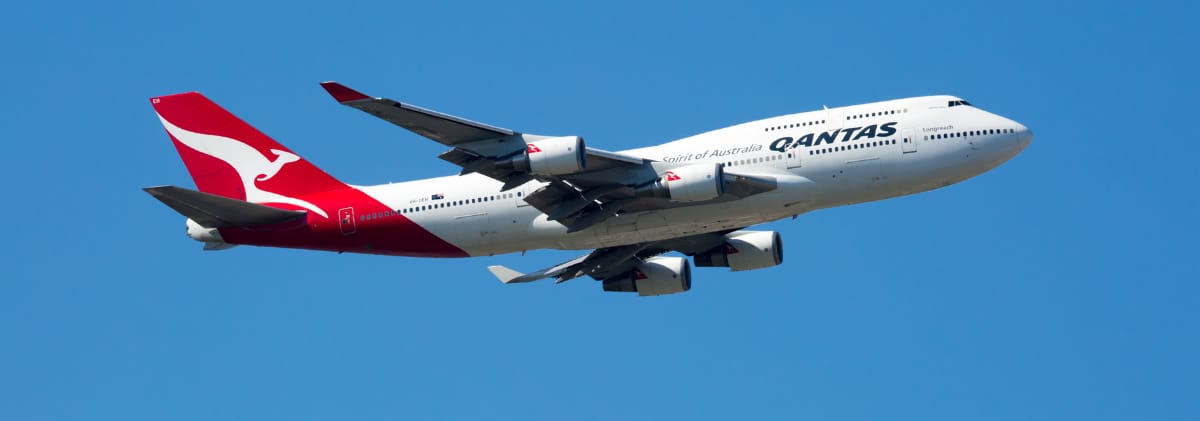
Qantas lifts fares as oil prices surge. Qantas says international airfares may rise around 5%, with return flights to London expected to cost roughly $4,500. Analysts estimate the airline could lose $70m–$90m in pre-tax profit due to higher oil prices. (AFR)
Shoppers sue Costco over tariff refunds. Costco is facing lawsuits from shoppers attempting to reclaim money tied to tariffs later ruled unlawful. The dispute follows a Supreme Court ruling that tariffs issued under the International Emergency Economic Powers Act were illegal. (WSJ)
Big Tech backs Anthropic in US government dispute. Google, Amazon, Apple and Microsoft have publicly backed AI firm Anthropic after the US government labelled it a “supply chain risk.” Microsoft warned the move could have “negative ramifications for the entire technology sector.” (BBC)
Polymarket criticised for war betting markets. Prediction platform Polymarket is under scrutiny after traders made millions betting on when the US would strike Iran, prompting calls from US politicians to ban war-related betting markets. (ABC)
Atlassian cuts 1,600 jobs as AI reshapes tech. Atlassian will cut around 1,600 jobs, citing AI-driven efficiencies. Oracle also added US$500m to restructuring costs this year, taking the total to US$2.1bn as it restructures around AI. (Capital Brief | FT)

FinFest is back! Click here to sign up for early bird prices
What the…?

The incredible financial cost of the Middle East war. With America's ever-growing debt constantly making headlines, the ongoing war against Iran is definitely not doing the country any favours when it comes to reducing that red ink anytime soon. Although President Donald Trump has assured us that the war will be over "very soon," there might just be a financial motivation behind that optimism.
‘Operation Epic Fury’ estimated cost in the first 100 hours was US$3.7bn, which breaks down to about US$891.4m per day. Most of that cost is tied up in munitions, ammo, and military equipment, making up US$3.1bn of the total. So it’s pretty clear why President Trump doesn’t want this war dragging on for months and months. (CSIS)
A message from Schroders
Expanding globally is not just about hiring fast. It is about choosing the right structure. Get the latest global equity insights from Schroder’s worldwide team of portfolio managers and analysts at www.schroders.com.au/insights. You can also find information on investing in the Schroder Global Equity Alpha Fund (ASX:ALPH) on the site, and revisit out interview with Portfolio Manager Frank Thormann from 21st November 2025.
Today’s Insight
What is the HALO trade?
This was taken from our recent Equity Mates Investing episode titled ‘McDonald’s has lost its crown, why boring stocks are winning & 4 reasons to sell’ (Spotify | Apple | YouTube)
Bryce: So Ren, Wall Street loves acronyms. Last year we saw the TACO trade for Trump Always Chickens Out. There's a new one that has just come to light and it is the HALO trade. It stands for Heavy Assets & Low Obsolescence. It’s sort of trying to summarise where money is moving and where investors are turning their attention because of what is going on in Tech and in AI.
Alec: They're basically going to old world companies because they think they're less ripe for disruption from AI. It's led to this situation where some of the most boring old school stocks are outperforming the sexy tech stocks.
Bryce: Yeah. It was coined by a guy called Josh Brown. He's the CEO of Ritholtz Wealth Management, and he was quoted that "the HALO trade represents companies that you cannot type something in a prompt and disrupt."
Alec: Yeah, so some of the industries that are benefitting from the trade are Energy. Energy's up 23% in the last three months, but obviously there's bigger things at play there with Iran and the Middle East. Materials is up 15%, Industrials are up 11%, Consumer Staples are up 9%.
I think the notable thing is the premiums at which some of these really good that old school companies are trading at. So Walmart is trading with a 45 price to earnings. Caterpillar, heavy equipment maker is trading at a 37 price to earnings. So a lot of these companies have really been bought up because they're seen as more immune.