- Equity Mates
- Posts
- 📈 Equity Mates Budget Breakdown | DroneShield drops as ASIC investigates disclosures
📈 Equity Mates Budget Breakdown | DroneShield drops as ASIC investigates disclosures
Here's what you need to know today

Today’s News
The Big Picture

CGT discount and negative gearing get the axe (kind of). Treasurer Jim Chalmers delivered the 2026-27 Budget last night. As expected, the CGT discount and negative gearing were targeted, but with leniency. Negative gearing will be limited to new builds, but properties that are currently negatively geared will be exempt from the change. The 50% CGT discount will be replaced by cost base indexation at inflation and a minimum 30% CGT, but will not impact the primary residence CGT exemption or superannuation tax arrangements. (Treasury)
Biggest budget winners: Patients and workers. The Budget is delivering an additional $25 billion in funding to public hospitals over the next five years, as well as $6 billion in new and amended PBS listings. Two major tax cuts have been announced for working Australians, with the new $250 Working Australians Tax Offset being complemented by an instant $1,000 2026-2027 tax deduction. (Treasury)
Biggest budget losers: Investors, trust users and the NDIS. Property investors are hit by the double whammy of CGT discount and negative gearing changes, but investors across all asset classes are also negatively impacted. Distributions from discretionary trusts will now be taxed at 30%, a shot directly at wealthy Australians who use the trusts to decrease their taxes. The NDIS will reduce growth by $37.8 billion over four years, providing the largest single saving in the budget. (Treasury | AFR)
US opens doors to more Australian beef. President Trump is set to sign an executive orders to increase beef imports as beef prices have inflated 16% since January 2025 in the US. Australian beef exports to the US are already up 13% year-to-date. This comes after China also increased imports of Australian beef due to a disease outbreak resulted in cattle being culled. (WSJ | ABC)
Top US CEOs join Trump for trade talks in Beijing. Elon Musk, Meta’s Mark Zuckerberg, Apple’s Tim Cook, and the CEOs of Boeing, GE, Citi, Goldman Sachs and more will join Trump as he goes to Beijing in pursuit of economic stability. Key issues include tech supply chains, advanced AI chips, and ongoing tariff turbulence. (ABC)
Iran ceasefire on life support, says Trump. The month-long ceasefire has already been on thin ice after the US and Iran traded blows last week. Trump said he “didn’t even finish reading” the “piece of garbage” proposal Iran sent. One clear sticking point was uranium enrichment — Iran will not cave to US and Israeli demands to dismantle their nuclear programme. (FT)
Companies in the news
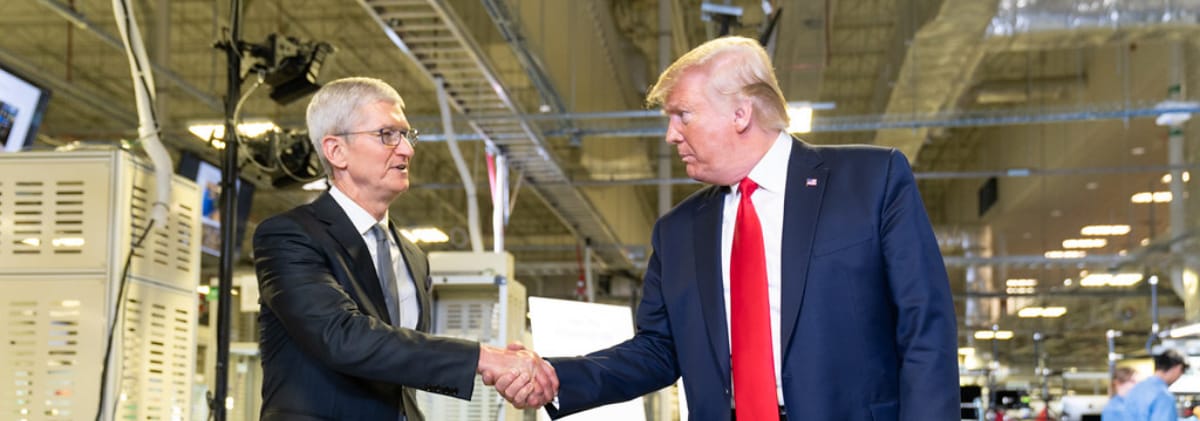
DroneShield drops as ASIC investigates improper disclosures. The regulator is looking into a particular two-hour period. On November 10, a DroneShield announcement caused the stock to rise. The CEO, chairman and a director then sold $2.4 million in stock, then DroneShield withdrew the announcement. The stock fell 10% on the news of the investigation. (AFR)
Aussie tech stocks hit by glitches. Life360 (down 11%) and Xero (down 4%) fell after they were hit by technical issues. Hopeful Life360 users are reporting not being able to install its software, while Xero has apologised for five days of disruptions and is in contact with the ATO regarding urgent tax deadlines. (AFR | Capital Brief)
Over 600 OpenAI staff cash out $9 billion in stock. Up to 75 staff sold the maximum amount of shares allowed, taking home US$30 million each. OpenAI staff have to wait up two years before they can cash out their shares. The company is valued at US$852 billion as of the latest April funding round. (AFR)
AI energy needs go nuclear, Constellation Energy revenue rises 64%. Net income grew by nearly 13 times, driven by a boom of data centres signing deals with Constellation, the largest nuclear energy provider in the US. Nuclear power provides a stable baseline that meets the flat demand profile of data centres, making nuclear a strong AI power source. (IBD)
Moderna jumps 9% as US citizen tests positive for hantavirus. The pharma giant, which produced one of the popular Covid vaccines, announced it had already been researching hantavirus and was working on vaccines. Hantavirus is in the spotlight due to an outbreak aboard a cruise ship. (Independent)
What the…?
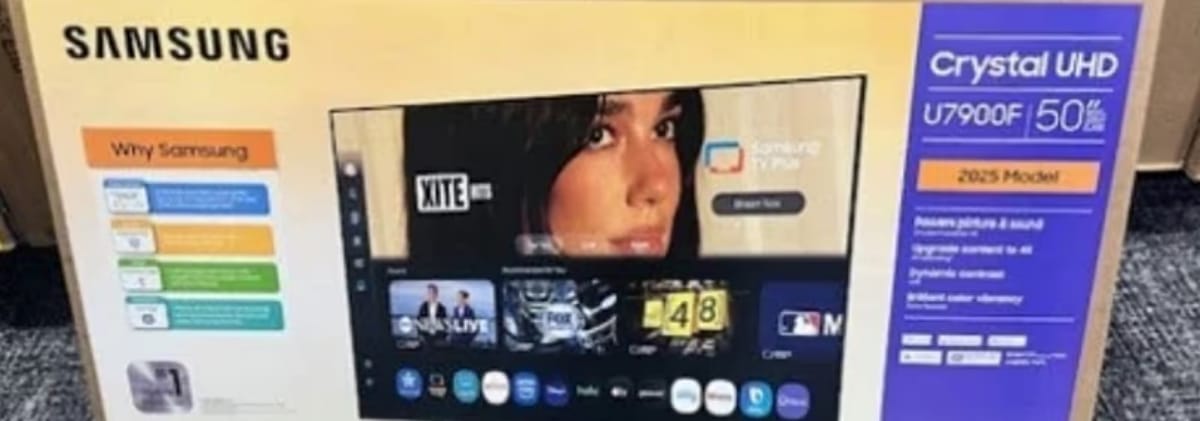
A face to sue for. Pop star Dua Lipa must be used to seeing herself portrayed across billboards and magazines, but she didn’t expect to see herself on Samsung TV packaging. Neither did her legal team.
The singer is suing Samsung for $20 million, alleging the electronics giant’s packaging improperly capitalised on Dua Lipa’s image to sell Samsung products. Samsung repeatedly ignored the singer’s cease and desist requests, and may now end up paying more in damages than if they had just paid to use her face. (BBC)
A message from Centuria

Invest in Australia’s #1 office market
Office demand is concentrating in high-quality, well-located buildings, making selectivity essential when investing in office property today. Wholesale investors will soon have the opportunity to invest in an A-grade office tower located in Sydney CBD’s strongest performing precinct* through the Centuria Sydney CBD Prime Office Fund.
The Fund is acquiring a landmark office tower integrated within World Square – a vibrant work-and-play precinct, and home to 20+ tenants including government, ASX-listed and multinational companies. With its strong amenity and transport connectivity, this office asset aligns directly with current tenant requirements – making it an attractive investment proposition.
* Net absorption by Sydney CBD precinct, JLL Research, March 2026. Issued by Centuria Property Funds No. 2 Limited (ABN 38 133 363 185 AFSL 340 304). Investors should consider the Information Memorandum available on or around mid-May 2026 before deciding to invest.
Today’s Insight
Investing in chunks vs. monthly
Financial adviser Dylan Pargiter-Green from Bold Wealth answered one of our community questions about how frequently to invest.
Is it better to invest monthly or save up and invest in chunks?
Easily the better option here is investing monthly, from a financial planning perspective at the very least. Dollar cost averaging has many benefits – buying through cycles, regular investment, removing emotion and choice – but the most important one is that you’re able to set it and forget it.
If the goal is building wealth over the long term and living a comfortable happy life, knowing you’re on track, then automating these behaviours so they become second nature or not even thought about is what will achieve this. Alongside this, the fact that we’re buying at random regular intervals in the market price, means over time, our tracking error will get smaller and smaller and you’ll end up with effectively the market return, compounded over an extended period of time, which we know builds very nicely.
Regular contributions are the fuel for the fire, accelerating the base with regular additions to get the compounding effect working faster, sooner. Whilst I’m sure we could analyse the best times to buy throughout the year by looking back – we can’t predict the future – so who knows when the best time to deploy that capital might be through the year? Time in the market beats timing the market!
Want to work with an adviser like Dylan to figure out your investing schedule? Fill out the form on our website and we’ll match you with one of our hand-picked advisers to help you get started.
Today in Equity Mates
A sudden lump sum of money can change your entire financial trajectory… if you make the right calls. Financial adviser Dylan Pargiter-Green joins us on the most recent episode of Equity Mates Investing to talk through the emotional, practical, and tax considerations that come with sudden wealth. (Spotify | Apple | YouTube)