- Equity Mates
- Posts
- 📈 Beer tax exposes Australia's gas problem | Uber goes all-in on food delivery
📈 Beer tax exposes Australia's gas problem | Uber goes all-in on food delivery
Here's what you need to know today
Today’s News
The Big Picture

Beer: Australia’s most valuable resource? The numbers are in and beer drinkers paid more tax than our gas exporters in the past financial year. The Australian government collected $1.5 billion from the Petroleum Resource Rent Tax in 2025-2026, while taxes on beer sales brought in $2.7 billion. This surprised many given Australia is one of the world’s leading gas exporters. (News.com.au)
Canada, EU shift away from US defence. Canada plans to create 125,000 jobs, increase military spending to 5% of GDP, and allocate 70% of this spending to Canadian firms, up from 50% currently. This comes as many US allies move to decrease reliance on the US; Germany, France, and the UK have similarly increased domestic defence expenditure. (FT | Reuters)
Fake discounting has its day in court. The case between Coles and the ACCC has kicked off, with the Australian regulator arguing that the supermarket misled consumers with ‘discounts’ that weren’t really discounts on 245 common household items. (ABC)
Dutch government passes unrealized gains tax. Despite public outcry, residents will now be taxed 36% of their unrealised gains on many assets, including stocks, bonds, and cryptocurrencies. In Australia, Division 296, a draft legislation, is similarly considering taxing unrealised super gains and is facing similar public dissent. (News.com.au | Morningstar)
Companies in the news

Uber expands as global food delivery market heats up. Uber is entering seven new European food delivery markets and is acquiring European rival Getir. The food delivery market is consolidating, as five companies (Meituan, DoorDash, Uber, Pross, and Delivery Hero) now make up 90% of the market globally. (FT)
Strong revenues boost A2 Milk. The NZ-based infant formula and dairy company grew first-half revenues by 19% to $993 million. CEO David Bortolussi says the company is a full year ahead of their $2 billion annual revenue goal. The stock jumped 7% on the news Friday. (AFR)
BlueScope defends against takeover with big dividends. Australia’s largest steelmaker has doubled its half-year dividend and promised higher future dividends of $3 per share, a 10.5% yield at the current share price of $28.50. BlueScope rejected a $13.2 billion buyout proposal last month and needs to convince investors not to handover their shares in a takeover attempt. (AFR)
BHP UK class action drags on despite verdict. Despite Britain’s High Court finding BHP liable for a 2015 dam collapse that killed 19 people, the lawsuit drags on as compensation is determined. The class action has been described as the biggest in British legal history, with at least $600 million in legal bills accrued to date (AFR)
JB Hi-Fi breaks $6bn revenue but headwinds loom. The electronics retailer grew sales by over 7% to $6.1 billion, but CEO Nick Wells warned that AI demand for memory means consumers will pay more for smartphones and laptops. (AFR)
What the…?
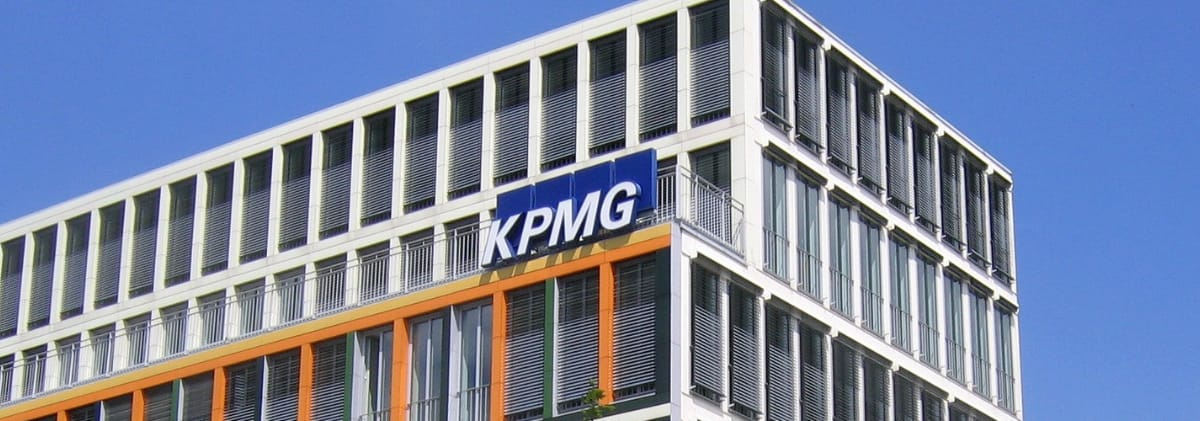
Big Four partner cheats AI exam by using AI. Over two dozen KPMG personnel are in hot water over their use of AI on internal exams, including one partner who used AI to help pass an AI training course.
KPMG has ramped up internal auditing of AI usage after Deloitte had to refund the Australian government for a report that was full of AI hallucinations and errors. The failed efforts were costly; Deloitte repaid $400,000 for its erroneous report, and the KPMG partner will be fined over $10,000. (AFR)
Today’s Insight
Keep your costs low
This is an excerpt from the Essentials Series, where we covered investing basics. (Spotify | Apple | YouTube)
Bryce: Rule number four, keeping costs low. We hate fees here at EquityMates and not paying attention to the fees that you're paying to the brokerage, to the management fees, to the ongoing monthly fees can have a detrimental impact on your long-term returns.
Ren: And it's easy to think that fees are small and don't matter, but small differences in fees add up. Like for people who are new to investing, they may not think ... What's 1%? 1% is small. How does that make a difference? But one of our favourite pieces of content we've ever done really illustrates that point.
Bryce: It's looking at the impact of fees on Warren Buffett and his returns. So if you'd invested $1,000 in Berkshire Hathaway, Warren Buffett's investment company in 1965, by 2022, you would have $38 million. Just reflect on that for a second.
Now Buffett is well known for not charging any fees, and he also doesn't pay dividends. But if he did charge a 1% management fee, that 38 million would be 35 million. So not crazy different, you'd still be pretty happy. But if he'd just bumped that up by an extra percent and charge 2% management fee, that 38 million becomes 12 million. If he was like a lot of fund managers at the time and charging a 2% management fee plus taking 20% on any of the profits he was making, that becomes an $8.6 million portfolio rather than 38 million.
Today in Equity Mates
Life is tough, and sometimes we need a money reset. Gemma Mitchell, a financial adviser from Rask Advice, joins us on today’s episode of Equity Mates Investing to talk about money resets, the slingshot moment, and getting through life’s hurdles. Check out the episode wherever you listen to podcasts or watch it on YouTube. (Spotify | Apple | YouTube)