- Equity Mates
- Posts
- 📈 Aussies set to save $1.8bn | Koala jumps in market debut
📈 Aussies set to save $1.8bn | Koala jumps in market debut
Here's what you need to know today

Today’s News
The Big Picture

RBA scraps card surcharges, saving Australians $1.8bn annually. The Reserve Bank of Australia plans to abolish surcharges on debit and credit card payments across eftpos, Mastercard and Visa. The move is expected to save consumers $1.6bn and businesses $200m annually, with reforms set to begin in October. (ABC)
Oil tanker struck as tensions escalate. A Kuwaiti oil tanker near Dubai was hit by an Iranian drone while carrying millions of barrels of oil. Fortunately, there were no injuries or oil leaks reported. In a separate development, reports suggest US Defence Secretary Pete Hegseth’s personal broker attempted a multimillion-dollar investment in a BlackRock defence ETF just weeks before the war began. (BBC | FT)
Cuba gets oil lifeline from Russia. A Russian ship has delivered Cuba’s first shipment of oil since January, offering much-needed relief after months of nationwide blackouts. The delivery comes as US-imposed restrictions have eased following the capture of Venezuelan leader Nicolás Maduro, a key ally of the Cuban government. (BBC)
US petrol hits highest level since 2022. The national average price of petrol has reached US$4 per gallon for the first time since August 2022, following Russia’s invasion of Ukraine. The rise challenges claims of US energy independence and the Trump administration’s pledge to keep energy prices low. (Reuters)
Asian markets tumble on energy fears. Share markets across Asia have been hit hard as the region grapples with rising energy costs and uncertainty. MSCI’s Asia ex-Japan index is on track for a monthly fall of more than 12%, its worst since 2022. Japan’s Nikkei and South Korea’s KOSPI have both fallen around 11–12% over the same period. (Reuters)
Young workers score major pay boost. Around 500,000 Australians aged 18–20 working in retail, fast food and pharmacies are set to receive pay rises after the Fair Work Commission abolished junior pay rates. These workers will transition to full adult wages over the coming years, delivering increases of up to 42%. (ABC)
Population growth slows across cities. Australia’s capital cities grew by 324,700 people in the last financial year, around 100,000 fewer than the year prior, according to the ABS. Perth recorded the strongest growth at 2.4%, while Hobart saw the slowest at just 0.2%. (ABS)
Companies in the news

Koala jumps on market debut. The furniture retailer surged 11.8% on its first day of trading after listing at $3.40. Koala is positioning itself against IKEA with a focus on simplicity and service, in a year where few Australian companies have gone public. (AFR)
Jackie O launches $82m lawsuit. The KIIS FM host has filed her own legal claim after Kyle Sandilands sued ARN Media over the termination of his contract. Combined claims now total $167m, roughly double ARN Media’s market capitalisation, with shares falling 19% on the news. (AFR)
Korean Air enters emergency mode. The airline has announced it will implement internal cost-cutting measures as fuel prices surge. South Korea remains particularly exposed to the crisis, relying heavily on energy imports from the Middle East, which is now impacting airline operations. (BBC)
Collins Foods exits Taco Bell. The KFC operator will sell 20 of its 27 Taco Bell stores to Yum! Brands and close the remainder, after struggling to compete with Australian chains like Guzman y Gomez and Zambrero. The move marks a retreat from the underperforming brand in the local market. (AFR)
Air Canada CEO steps down after backlash. The CEO will step down later this year following criticism for delivering an English-only statement after a fatal crash involving two pilots. With the airline based in French-speaking Quebec, leaders including Prime Minister Mark Carney have emphasised the importance of bilingual leadership in both English and French. (BBC)
What the…?
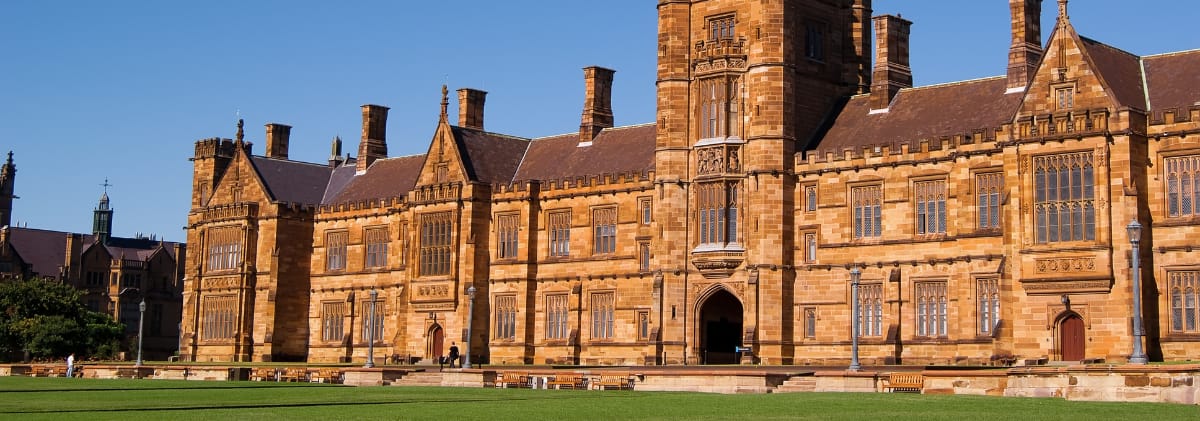
Aussie universities spend $1.8bn on consultants. A Four Corners investigation has revealed Australia’s 38 universities spent a combined $1.8bn on consultants and contractors in the past year. The figure comes from analysis of annual reports by a University of Wollongong professor.
Consulting firms have faced growing criticism for embedding themselves within universities, using public funding on controversial recommendations around course cuts and job losses, and potentially undermining the sector’s broader mission.
It comes after it was revealed in 2024 that 20 Australian vice-chancellors were paid more than the head of Cambridge, with many also earning more than the Australian Prime Minister. (ABC)
A message from Australian Property Scout

Join Sammy Gordon, Equity Mates’ go-to property expert, as he sits down with co-host Jimmy Ibrahim alongside Paul Dem, Brendan Geoghegan and Luke Teeuwsen for this fan-favourite Roundtable episode discussing the Australian housing market heading into 2026.
They unpack key predictions around interest rates, population growth, government policy and the growing divide between renters and homeowners — plus the potential impact of changes like the expanded First Home Buyer Deposit Scheme and capital gains tax discussions.
If you want to stay ahead of the market or better understand where Australia’s property landscape could be heading, this episode is essential listening for investors looking to stay informed.
Available on all your favourite platforms.
Today’s Insight
The Rule of 80
This was taken from our recent Equity Mates Investing episode titled ‘A Billion Dollar Backflip, Big Tech in the Community Portfolio & Ren’s Two Things’ (Spotify | Apple | YouTube)
In software companies, we talk about a rule of 40, which is revenue growth rate plus free cash flow margin is 40% or above and is used to assess the health of a software company and is used widely by venture capitalists, public market investors and company executives.
David Ricks the CEO of Eli Lily recently spoke about the rule of 80. Where the same metric is above 80%. We decided to test David’s numbers and we’ve used profit margin because it was easier to pull so our numbers are a little different. There are three large cap US companies that fit the bill of the rule of 80 being:
Eli Lilly, they're actually just shy rule of 80. They're at 77%. 48% revenue growth and 33% profit margin.
The second one is NVIDIA. 68% revenue growth, 60% profit margin. Nuts.
The third is Broadcom with 25% revenue growth and 37% profit margin, so also shy in our numbers but also pretty phenomenal growth.
It's a reminder that some of these technology companies are still growing at a tremendous pace. So then we wondered, how about in Australia? Is anyone hitting rule of 80 numbers in Australia? There's is one.
ProMedicus. On its last financial year numbers, 32% revenue growth, 54% profit margin.
Today in Equity Mates
Today on Basis Points Ally Selby chats with Mary Manning, the inaugural Chief Investment Officer from the National Reconstruction Fund. They discuss her priority investment areas, how the fund is balancing public and private allocations as well as her advice for advisers over the next 12 months. (Spotify | Apple | YouTube)